Inquirers
We nurture our curiosity, developing skills for inquiry and research. We know how to learn independently and with others.
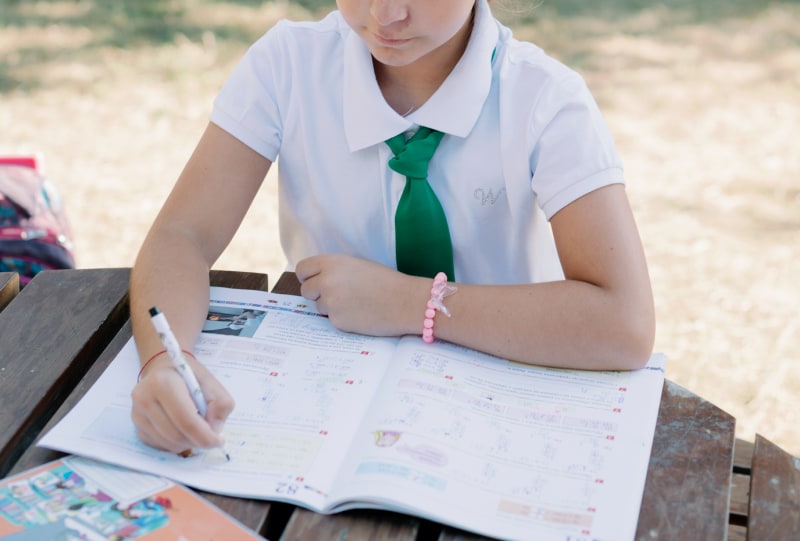
Explore how Datus International School structures learning through the IB Primary Years Programme, curriculum stages, and the learner profile that shapes student growth.
Datus International School
This section currently reflects the Datus International School curriculum. Senior and Basic pathways can be added into the same structure once their material is ready.
Datus International School
Datus International School, as an IB World School, implements the International Baccalaureate Primary Years Programme (PYP) for students aged 3 to 11 years. The PYP focuses on the development of the whole child by addressing social, physical, emotional, and cultural needs while giving students a strong foundation in all the major areas of knowledge. From Sunflower through the end of Year 6, the curriculum at Datus International School is based on the framework of the International Baccalaureate Primary Years Programme.
Major Areas of Knowledge
The PYP helps children become aware of and sensitive to the points of view of people in other parts of the world while building strong foundations in knowledge, understanding, and character.
From Early Years to Advanced Level
Curriculum Stages
| Phase | Year Group | Age |
|---|---|---|
| Early Years | Sunflower (Nursery) | 3-4 |
| Early Years | Cherry (Kindergarten 1) | 4-5 |
| Primary | Year 1 | 5-6 |
| Primary | Year 2 | 6-7 |
| Primary | Year 3 | 7-8 |
| Primary | Year 4 | 8-9 |
| Primary | Year 5 | 9-10 |
| Primary | Year 6 | 10-11 |
Curriculum Stages
| Phase | Year Group | Age |
|---|---|---|
| Lower Secondary | Year 7 | 11-12 |
| Lower Secondary | Year 8 | 12-13 |
| Lower Secondary | Year 9 | 13-14 |
| Upper Secondary (IGCSE) | Year 10 | 14-15 |
| Upper Secondary (IGCSE) | Year 11 | 15-16 |
| Advanced Level | Year 12 | 16-17 |
| Advanced Level | Year 13 | 17-18 |
IB Learner Profile
At the heart of the PYP is the IB Learner Profile. The aim of all IB programmes is to develop internationally minded people who recognize their common humanity and shared guardianship of the planet, and who help create a better and more peaceful world.
We nurture our curiosity, developing skills for inquiry and research. We know how to learn independently and with others.
We develop and use conceptual understanding, exploring knowledge across a range of disciplines and engaging with ideas of local and global significance.
We use critical and creative thinking skills to analyze complex problems and take responsible, ethical action.
We express ourselves confidently and creatively in more than one language and in many ways, while listening carefully to others.
We act with integrity and honesty, with fairness, justice, and respect for the dignity and rights of people everywhere.
We appreciate our own cultures and personal histories, while seeking and evaluating a range of points of view.
We show empathy, compassion, and respect, and we act to make a positive difference in the lives of others.
We approach uncertainty with forethought and determination, exploring new ideas with resourcefulness and resilience.
We understand the importance of balancing intellectual, physical, and emotional aspects of life to achieve well-being.
We thoughtfully consider the world and our own ideas and experiences in order to support learning and personal development.
Essential Elements
Significant, relevant content that students explore and understand in light of their prior experience.
Powerful ideas that work across subject areas and help students build coherent, in-depth understanding.
Capabilities students need in a changing world, whether disciplinary or transdisciplinary in nature.
Dispositions that express values, beliefs, and feelings about learning, the environment, and people.
Responsible behavior and action that demonstrate deeper learning in practice.
Curriculum Assessment
Assessment at Datus International School identifies what students know, understand, can do, and feel at different stages in the learning process. Its purpose is to promote student learning, to inform about student learning, and to evaluate the effectiveness of the programme.
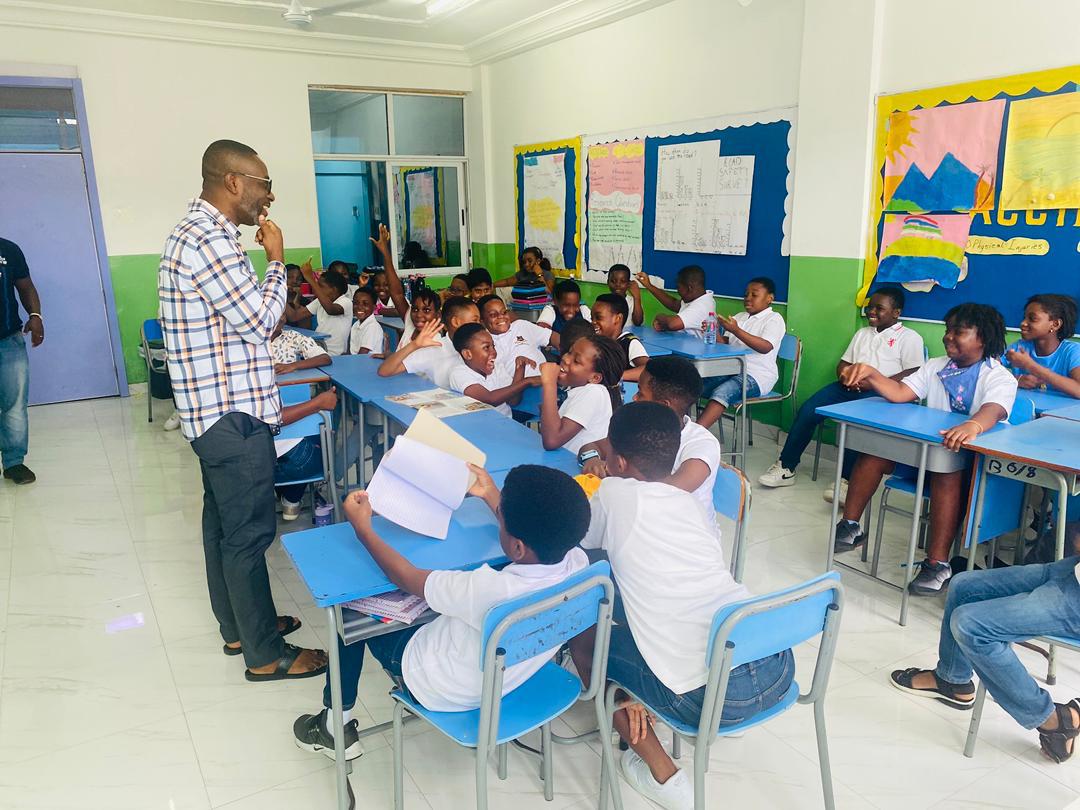
Assessment in practice
Assessment identifies what students know, understand, can do, and feel at different stages in the learning process.
Assessment is used to promote student learning, inform about student learning, and evaluate programme effectiveness.
Portfolios collect children's work to demonstrate success, growth, higher-order thinking, and reflection over the school year.
Teachers document student learning using methods such as video, audio, photographs, and graphic representations.
The Exhibition is the culmination of learning throughout the PYP and is built around student-selected real-world problems that require extended investigation.
Principles of Assessment
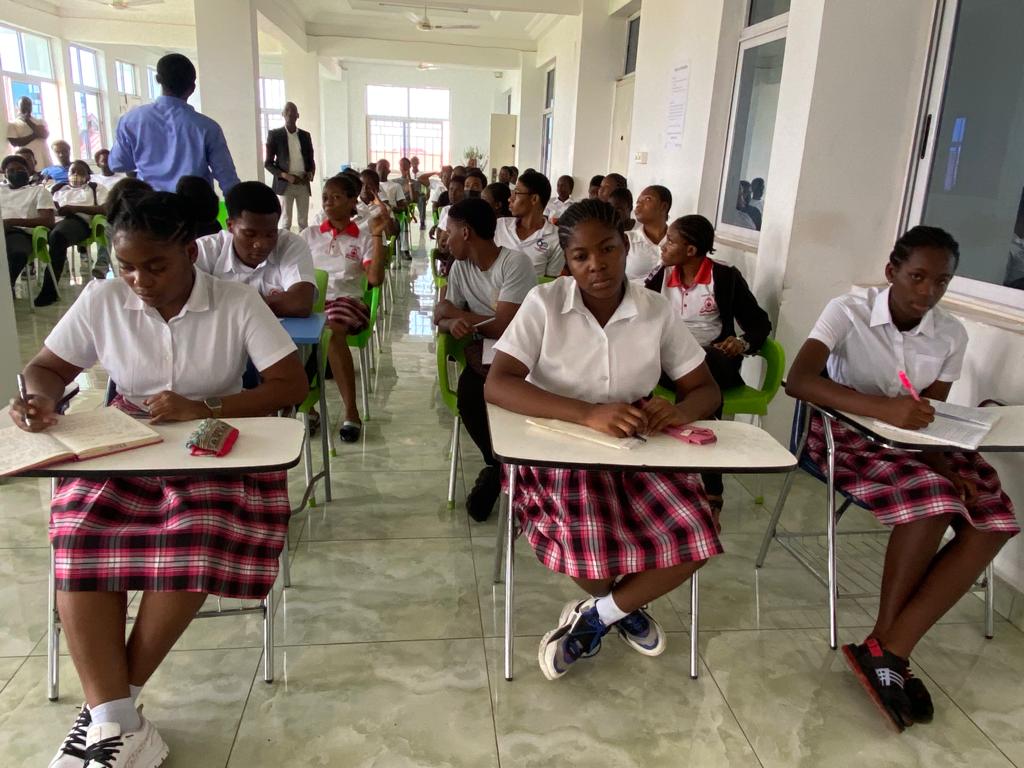
Student reflection and reporting
Types of Assessment
Provides information on what is already known and understood by a student before new learning begins.
Provides information that shapes the next stage in learning and is interwoven with teaching through regular feedback.
Provides teachers and students with clear insight into understanding and gives students opportunities to demonstrate what has been learned.
Reporting
At Datus International School, student progress is measured against the expected learning outcomes for each age group. Parents receive feedback both verbally through conferences and in written form.
Held each term, these meetings give parents time with the class teacher to discuss academic progress together with social and emotional development, with opportunities to meet single-subject teachers as well.
Held each term, these conferences allow students to share selected work, reflect on their successes and challenges, and guide parents through learning experiences with teacher support as needed.
Written reports are sent at the end of each academic term and provide an overview of progress, learning behaviours, social interaction, and contribution to the wider school community.
Sunflower and Cherry reports contain narrative comments on each student's academic, developmental, and social progress.
If you need more detail on the international curriculum, IB progression, or placement fit, contact the school team for guidance.